
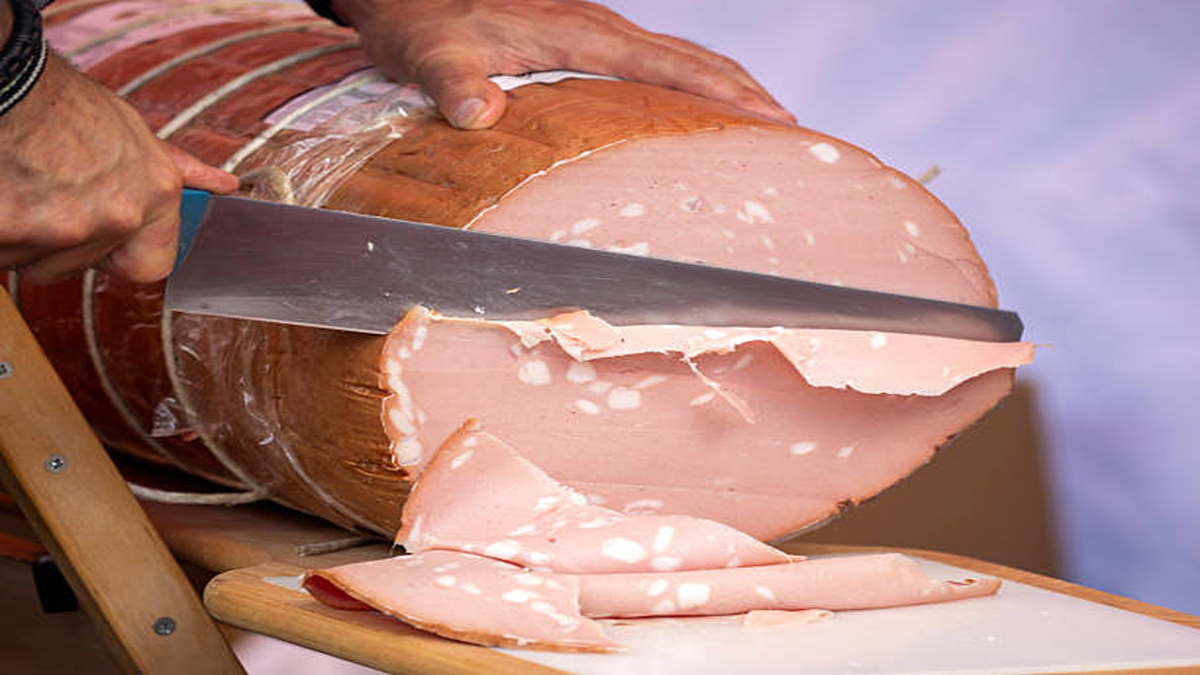
Mortadella is far more than a sliced deli meat. It is a product shaped by geography, history, craftsmanship, and strict tradition, representing centuries of culinary evolution. Known for its pale pink color, smooth texture, and distinctive cubes of fat, mortadella has traveled from ancient Roman kitchens to modern global cuisine while retaining its unmistakable identity. Often misunderstood or oversimplified as “Italian bologna,” mortadella carries a depth of flavor, heritage, and technique that deserves serious attention.
This article explores mortadella from every meaningful angle: its origins, ingredients, production methods, nutritional value, culinary applications, storage, and cultural relevance. The goal is not to repeat commonly circulated facts but to present a complete, original, and well-structured understanding of mortadella as both a food product and a cultural symbol.
The Origins and Historical Evolution of Mortadella
Mortadella traces its roots to ancient Italy, specifically the region that is now Emilia-Romagna. Historical records suggest that similar preparations existed during Roman times, where pork was finely ground and seasoned with spices, then preserved using heat and salt. The name “mortadella” is believed to derive from either mortarium, a mortar used to grind meat, or myrtatum, a sausage seasoned with myrtle berries, which were common in ancient Roman cooking.
By the Middle Ages, mortadella had evolved into a refined product produced primarily in Bologna. The city became so closely associated with mortadella that its name is still legally protected in the European Union. Over time, guilds were formed to regulate production methods, ensuring consistency and quality. These regulations laid the foundation for what is now known as Mortadella Bologna PGI, a protected geographical indication that preserves traditional practices while adapting to modern food safety standards.
Unlike many preserved meats developed primarily for survival, mortadella was always considered a premium item. Its finely emulsified texture and aromatic spices made it a luxury food, consumed by nobility and merchants rather than peasants. This historical positioning explains why mortadella emphasizes flavor, smoothness, and visual appeal rather than intense drying or heavy salting.
Ingredients and Composition: What Makes Mortadella Unique
Mortadella is defined as much by what it includes as by what it excludes. Traditional mortadella is made primarily from high-quality pork, including lean meat and firm pork fat. The fat, cut into small cubes, is a defining visual and textural feature. These cubes melt gently when heated, contributing to the sausage’s soft mouthfeel and rich flavor.
Seasonings vary slightly depending on regional and producer preferences, but classic mortadella typically includes salt, black pepper, and subtle spices such as coriander or nutmeg. Some versions include pistachios, which add a mild nuttiness and visual contrast, though they are optional rather than mandatory. Garlic is generally avoided in traditional mortadella, distinguishing it from many other cured meats.
Importantly, mortadella does not rely on smoking or air-drying. Instead, it is cooked slowly at controlled temperatures. This cooking process gives mortadella its characteristic delicate aroma and smooth consistency, setting it apart from raw cured sausages like salami.
Core Ingredients Overview
| Ingredient | Purpose in Mortadella |
|---|---|
| Lean pork | Provides protein structure and mild flavor |
| Pork fat cubes | Adds richness, moisture, and texture |
| Salt | Enhances flavor and preservation |
| Black pepper | Traditional seasoning |
| Spices | Subtle aromatic complexity |
| Pistachios (optional) | Flavor contrast and visual appeal |
Traditional Production Process Explained
The production of mortadella is a precise and carefully controlled process that balances craftsmanship with food science. It begins with selecting high-quality pork cuts, which are finely ground until a smooth paste forms. This paste is emulsified, meaning the fat and lean components are evenly distributed, creating mortadella’s signature uniform texture.
Once seasoned, visible cubes of pork fat are gently folded into the mixture. This step requires precision, as improper mixing can break down the fat cubes, ruining both appearance and mouthfeel. The mixture is then stuffed into large natural or synthetic casings, often forming massive cylindrical shapes that can weigh several kilograms.
The cooking phase is slow and deliberate. Mortadella is cooked at low temperatures for extended periods, sometimes lasting an entire day depending on size. This gradual heat allows flavors to develop fully while preserving moisture. After cooking, the sausage is cooled slowly to maintain structural integrity.
Unlike many cured meats, mortadella is not fermented or dried. Its safety and shelf life depend on cooking, refrigeration, and proper packaging rather than dehydration.
Nutritional Profile and Health Considerations
Mortadella is a rich food, but understanding its nutritional composition allows it to be enjoyed responsibly. It provides a significant amount of protein, along with fats that contribute to satiety and flavor. While mortadella is higher in fat than lean meats, it is not inherently unhealthy when consumed in moderation as part of a balanced diet.
Mortadella contains essential nutrients such as vitamin B12, zinc, and iron, which support energy metabolism and immune function. Sodium content can be relatively high, as with most cured or cooked meats, making portion control important for individuals monitoring salt intake.
Nutritional Snapshot (Per 100g Approximation)
| Nutrient | Approximate Value |
|---|---|
| Calories | 300 kcal |
| Protein | 15 g |
| Fat | 25 g |
| Saturated Fat | 8 g |
| Sodium | 900 mg |
| Iron | Moderate |
| Vitamin B12 | High |
From a health perspective, mortadella fits best into diets that emphasize variety. Pairing it with whole grains, vegetables, and fresh foods helps balance its richness and sodium levels.
Mortadella vs Similar Meats: Understanding the Differences
Mortadella is often compared to other processed meats, especially bologna. While they share a similar appearance, the differences are substantial. Bologna, particularly mass-produced versions, often includes mixed meats, fillers, and stronger seasonings. Mortadella, by contrast, adheres to stricter ingredient standards and focuses on pork alone.
Another point of comparison is salami. Salami is typically fermented and dried, resulting in a firm texture and intense flavor. Mortadella is cooked, soft, and delicately seasoned. These differences affect not only taste but also culinary applications.
Comparison Table
| Feature | Mortadella | Bologna | Salami |
|---|---|---|---|
| Cooking method | Slow cooked | Cooked | Fermented and dried |
| Texture | Smooth, soft | Smooth | Firm |
| Fat appearance | Visible cubes | Emulsified | Distributed |
| Flavor profile | Mild, aromatic | Neutral | Strong |
| Culinary use | Fresh slicing, cooking | Sandwiches | Sliced or cooked |
Culinary Uses and Serving Ideas
Mortadella is remarkably versatile in the kitchen. While traditionally sliced thin and eaten fresh, it performs beautifully in both hot and cold dishes. Its fat content allows it to crisp when pan-fried, creating a contrast between crunchy edges and soft interiors.
In sandwiches, mortadella pairs exceptionally well with crusty bread, mild cheeses, and simple condiments. In pasta dishes, diced mortadella adds richness without overpowering other ingredients. It is also commonly used as a filling in stuffed pastas, where its smooth texture blends seamlessly with cheese.
Mortadella’s subtle seasoning makes it adaptable across cuisines. It can be layered on pizzas, folded into omelets, or served as part of a balanced charcuterie board.
Storage, Handling, and Shelf Life
Proper storage is essential to preserve mortadella’s quality and safety. Once opened, mortadella should be kept refrigerated and tightly wrapped to prevent moisture loss and contamination. Exposure to air can dry the surface and dull the flavor.
Unopened mortadella typically has a longer shelf life due to vacuum sealing. However, freshness remains key to optimal taste and texture. Freezing is possible but not ideal, as it can alter the delicate fat structure.
Storage Guidelines
| Condition | Recommendation |
|---|---|
| Refrigerator | Store at 0–4°C |
| After opening | Consume within 3–5 days |
| Freezing | Not recommended |
| Packaging | Airtight wrapping |
Cultural Importance and Global Influence
Mortadella is deeply embedded in Italian culinary identity, particularly in Bologna, where it is celebrated as a symbol of local pride. Festivals, markets, and traditional recipes all reinforce its cultural significance. The protection of Mortadella Bologna PGI ensures that this heritage is not diluted by imitation products.
Internationally, mortadella has inspired variations and adaptations. While some lack the authenticity of the original, they reflect the sausage’s global appeal. Despite these variations, true mortadella remains closely tied to its Italian roots, standing as a testament to the value of tradition in food production.
Modern Production and Sustainability Considerations
Modern mortadella production balances tradition with efficiency. Advances in food safety, temperature control, and packaging have improved consistency while maintaining traditional flavors. Some producers now emphasize animal welfare and sustainable sourcing, responding to consumer demand for ethical food practices.
This evolution does not diminish mortadella’s authenticity but rather ensures its relevance in contemporary food systems.
Final Thoughts on Mortadella
Mortadella is a product of patience, precision, and cultural continuity. Its smooth texture, gentle seasoning, and rich history distinguish it from other processed meats. Appreciating mortadella means understanding the care involved in its creation and the traditions it represents.
When enjoyed thoughtfully, mortadella offers not just nourishment but a connection to centuries of culinary craftsmanship. It remains a timeless example of how simple ingredients, when treated with respect, can produce extraordinary results.
Click Here For More Blog Posts!
Frequently Asked Questions
What is mortadella made from?
Mortadella is primarily made from finely ground pork combined with visible cubes of pork fat, seasoned with salt, pepper, and mild spices.
Is mortadella the same as bologna?
No, mortadella is more refined, traditionally regulated, and made with higher-quality pork and visible fat cubes, unlike standard bologna.
Can mortadella be cooked?
Yes, mortadella can be pan-fried, baked, or used in hot dishes where it develops a crisp exterior and rich flavor.
Is mortadella healthy?
Mortadella can be part of a balanced diet when eaten in moderation, providing protein and essential nutrients but containing higher fat and sodium.
How should mortadella be stored?
Mortadella should be refrigerated, tightly wrapped, and consumed within a few days after opening to maintain freshness and safety.