
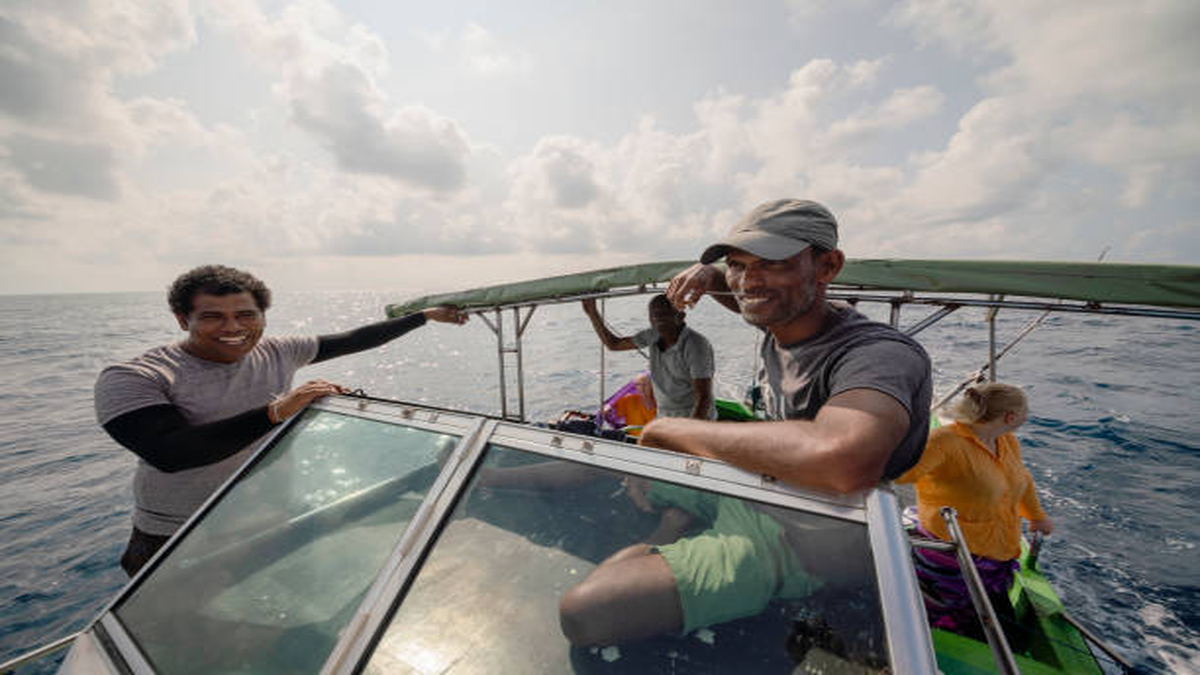
Veneajelu is a Finnish term that broadly refers to boating or traveling by boat, but its meaning extends far beyond simple movement across water. Veneajelu represents a combination of recreation, transportation, tradition, skill, and connection with nature. Whether practiced on calm lakes, winding rivers, coastal archipelagos, or open seas, veneajelu reflects humanity’s long-standing relationship with water and the vessels used to navigate it. In many cultures, and especially in regions rich with waterways, boating is not merely a leisure activity but a lifestyle that blends responsibility, enjoyment, and respect for the natural environment.
This article explores veneajelu in a comprehensive way, examining its practical aspects, cultural relevance, technical requirements, safety considerations, environmental impact, and personal value. The aim is to provide a complete understanding of veneajelu for beginners, enthusiasts, and those curious about boating as a meaningful activity rather than a casual pastime.
The Meaning and Scope of Veneajelu
Veneajelu refers to the act of operating or traveling in a boat for various purposes, including leisure, transport, fishing, exploration, or relaxation. Unlike terms that focus strictly on sport or competition, veneajelu is inclusive and flexible, covering everything from slow recreational cruising to purposeful journeys across water.
The scope of veneajelu includes both motorized and non-motorized boats. Rowboats, sailboats, motorboats, and small personal vessels all fall within its meaning. The defining element is not the type of boat but the act of navigating water intentionally and responsibly.
Veneajelu also implies awareness of surroundings, weather, navigation rules, and water conditions. It is an activity that requires attention and preparation, even when pursued casually.
Historical Roots of Boating and Veneajelu
Human history is deeply connected to boating. Long before roads existed, waterways served as natural highways for trade, migration, and communication. Veneajelu evolved from necessity into a refined activity as technology improved and societies developed leisure time.
In regions with extensive lakes and coastlines, boating became embedded in daily life. Boats were used to transport goods, reach isolated communities, and harvest food. Over time, veneajelu expanded to include recreational enjoyment, allowing people to experience freedom, solitude, and exploration on water.
Modern veneajelu still carries traces of this heritage. Even recreational boaters often feel a sense of continuity with earlier generations who relied on boats for survival and connection.
Types of Veneajelu Activities
Veneajelu is not a single activity but a broad category encompassing many styles and purposes. Each type offers different experiences, challenges, and rewards.
Recreational Cruising
Recreational veneajelu focuses on relaxation and enjoyment. It may involve short trips, scenic exploration, or social gatherings on the water. This type emphasizes comfort, slow movement, and appreciation of the surroundings.
Fishing-Oriented Boating
Fishing veneajelu combines navigation skills with knowledge of water conditions and aquatic life. It often requires specialized boats and equipment, as well as patience and environmental awareness.
Transportation and Utility Boating
In some regions, veneajelu remains a practical mode of transport. Boats are used to reach homes, cabins, or workplaces inaccessible by road. This form prioritizes reliability and safety over leisure.
Exploration and Adventure
Exploratory veneajelu involves longer journeys and unfamiliar routes. It demands advanced navigation skills, planning, and adaptability to changing conditions.
Common Boat Types Used in Veneajelu
Different forms of veneajelu require different boats. Choosing the right vessel depends on water type, purpose, and experience level.
| Boat Type | Typical Use | Key Characteristics |
|---|---|---|
| Rowboat | Calm lakes and short trips | Simple, quiet, manual control |
| Motorboat | Recreation and transport | Speed, convenience, engine-powered |
| Sailboat | Leisure and long-distance travel | Wind-powered, skill-based |
| Inflatable boat | Short-term or portable use | Lightweight, easy storage |
| Cabin boat | Extended trips | Shelter, comfort, storage |
Each boat type shapes the veneajelu experience, influencing speed, effort, and interaction with the environment.
Skills Required for Safe and Enjoyable Veneajelu
Veneajelu may appear simple, but it requires a combination of practical skills and judgment. Safe boating depends on understanding both the vessel and the water.
Basic skills include steering, speed control, docking, and anchoring. More advanced veneajelu involves navigation, interpreting weather changes, and responding to emergencies. Learning these skills gradually builds confidence and reduces risk.
Equally important is situational awareness. A responsible boater constantly observes surroundings, other vessels, and environmental cues.
Navigation and Water Awareness
Navigation in veneajelu is not limited to maps and instruments. It involves reading the water, understanding currents, identifying hazards, and recognizing landmarks. Even on familiar routes, conditions can change quickly due to wind, rain, or seasonal variations.
Modern technology offers navigation aids, but veneajelu still benefits from traditional knowledge. Knowing how to judge distance, direction, and depth without relying solely on devices enhances safety and independence.
Weather and Environmental Conditions
Weather plays a central role in veneajelu. Wind strength, visibility, temperature, and precipitation all affect boating conditions. A calm morning can turn challenging by afternoon, making preparation and adaptability essential.
Experienced boaters develop an instinct for weather patterns and understand when to postpone or shorten a trip. Respecting weather conditions is a fundamental principle of responsible veneajelu.
Safety Practices in Veneajelu
Safety is not an optional aspect of veneajelu but a continuous responsibility. Even experienced boaters must follow safety practices consistently.
Essential Safety Elements
| Safety Element | Purpose |
|---|---|
| Life jackets | Prevent drowning |
| Communication devices | Emergency contact |
| Navigation lights | Visibility |
| First aid kit | Injury response |
| Emergency plan | Risk management |
Safety also involves understanding boating rules, maintaining equipment, and avoiding risky behavior.
Legal and Ethical Responsibilities
Veneajelu is governed by laws and regulations designed to protect people and ecosystems. These rules cover speed limits, right-of-way, alcohol use, and environmental protection.
Ethical veneajelu goes beyond legal compliance. It includes courtesy toward other boaters, respect for wildlife, and responsible waste management.
Boaters share waterways, making cooperation and mutual awareness essential.
Environmental Impact of Veneajelu
Boating interacts directly with natural environments, making environmental responsibility a core part of veneajelu. Fuel spills, noise, and wake damage can harm ecosystems if not managed carefully.
Eco-conscious veneajelu emphasizes efficient operation, proper waste disposal, and respect for sensitive areas. Many boaters choose quieter, low-emission vessels to reduce impact.
Protecting waterways ensures that veneajelu remains enjoyable for future generations.
Veneajelu as a Lifestyle and Mindset
For many people, veneajelu is more than an activity; it is a way of life. Time on the water provides mental clarity, stress relief, and a sense of freedom difficult to replicate elsewhere.
Boating encourages mindfulness, as it requires attention to the present moment. The rhythm of water, sound of wind, and open horizon create a unique environment for reflection and relaxation.
This lifestyle aspect explains why many boaters feel deeply connected to their vessels and favorite waterways.
Social and Cultural Dimensions
Veneajelu often brings people together. Family trips, group excursions, and community events strengthen social bonds. Shared experiences on the water create lasting memories and traditions.
In some cultures, boating skills are passed down through generations, reinforcing identity and heritage. Veneajelu becomes a shared language that connects people across age and background.
Learning and Progression in Veneajelu
Boating skills develop over time through experience and learning. Beginners start with simple trips and gradually expand their range and confidence. Each outing teaches new lessons about handling, timing, and judgment.
Formal education, mentorship, and practice all contribute to growth. Veneajelu rewards patience and curiosity, allowing individuals to progress at their own pace.
Challenges and Common Mistakes
Despite its appeal, veneajelu presents challenges. Overconfidence, poor planning, and neglecting maintenance are common mistakes. Underestimating weather or water conditions can quickly turn a pleasant trip into a difficult situation.
Recognizing limitations and learning from mistakes are essential parts of becoming a skilled boater.
Veneajelu and Technology
Modern veneajelu benefits from technological advances such as navigation systems, safety equipment, and efficient engines. These tools enhance safety and convenience but should complement, not replace, fundamental skills.
Reliance on technology without understanding basic principles can create false security. Balanced use of technology supports smarter boating.
Long-Term Value of Veneajelu
The long-term value of veneajelu lies in its ability to enrich life physically, mentally, and socially. It encourages outdoor activity, learning, and respect for nature. Over time, boating builds confidence, responsibility, and appreciation for water environments.
For many, veneajelu becomes a lifelong pursuit that evolves with changing interests and abilities.
Final Reflections on Veneajelu
Veneajelu represents a harmonious blend of movement, awareness, and connection. It invites people to slow down, observe, and engage with water in a meaningful way. Whether practiced for leisure, utility, or exploration, veneajelu offers lessons that extend beyond the boat itself.
By approaching veneajelu with respect, preparation, and curiosity, individuals can experience not only the joy of boating but also a deeper understanding of balance between freedom and responsibility.
Click Here For More Blog Posts!
Frequently Asked Questions
What does veneajelu mean?
Veneajelu means boating or traveling by boat, covering recreational, practical, and exploratory use on water.
Is veneajelu only for leisure?
No, veneajelu includes leisure, transportation, fishing, and practical travel depending on purpose and location.
Do you need experience for veneajelu?
Basic veneajelu can be learned easily, but experience improves safety, confidence, and enjoyment over time.
What is the most important safety rule in veneajelu?
Respecting weather conditions and wearing appropriate safety equipment are among the most important rules.
Why do people consider veneajelu a lifestyle?
Because boating offers relaxation, connection with nature, and long-term personal fulfillment beyond a simple activity.