A breath test is a diagnostic method that analyzes substances in a person’s exhaled air to gain insight into internal bodily processes. Unlike blood tests or imaging procedures, breath tests are noninvasive, painless, and often quick to perform. They are widely used in medical, dental, metabolic, and gastrointestinal evaluations, as well as in public safety and workplace screening. The basic idea behind a breath test is that certain gases or chemical compounds in the breath reflect what is happening inside the body, particularly in the digestive system, lungs, liver, and bloodstream.
Breath testing has grown in importance because it allows clinicians to detect disorders without needles, radiation, or surgical procedures. From identifying infections and digestive issues to monitoring alcohol levels and metabolic conditions, breath tests offer valuable information with minimal discomfort. This article explains breath tests in depth, covering how they work, the different types available, their accuracy, benefits, limitations, preparation requirements, and future potential.
How Breath Tests Work Inside the Body
The human body produces various gases as a result of normal metabolic activity. When food is digested, bacteria in the gut break down carbohydrates, proteins, and fats, producing gases such as hydrogen, methane, and carbon dioxide. These gases pass through the intestinal wall into the bloodstream, travel to the lungs, and are released through exhalation.
Breath tests work by capturing and measuring these gases. Changes in the concentration of specific gases can indicate abnormal digestion, bacterial overgrowth, malabsorption, or metabolic dysfunction. In alcohol breath tests, ethanol from the bloodstream diffuses into the air sacs of the lungs and is detected in exhaled breath, allowing estimation of blood alcohol levels.
Because breath reflects internal chemistry in real time, breath tests provide dynamic information rather than a static snapshot. This makes them particularly useful for monitoring changes over a short period.
Common Types of Breath Tests
Breath tests are used for different medical and non-medical purposes. Each type focuses on detecting specific substances or gases and requires a unique testing protocol.
Hydrogen Breath Test
The hydrogen breath test is commonly used to diagnose digestive disorders related to carbohydrate malabsorption and bacterial overgrowth. When carbohydrates are not properly absorbed in the small intestine, they are fermented by bacteria, producing hydrogen. Elevated hydrogen levels in breath samples indicate abnormal digestion.
This test is frequently used to evaluate lactose intolerance, fructose malabsorption, and small intestinal bacterial overgrowth. It involves consuming a specific sugar solution and providing breath samples at regular intervals over several hours.
Methane Breath Test
The methane breath test measures methane gas produced by certain gut bacteria. Methane production is associated with slowed intestinal transit and constipation-predominant digestive conditions. Some individuals produce methane instead of hydrogen, making methane measurement essential for accurate diagnosis.
Methane testing is often combined with hydrogen testing to provide a complete picture of gut fermentation patterns.
Urea Breath Test
The urea breath test is used to detect infection in the stomach caused by specific bacteria. It works by having the patient ingest a urea-containing substance. If the bacteria are present, they break down urea into carbon dioxide, which is then detected in the breath.
This test is valued for its accuracy and noninvasive nature, making it a preferred option over invasive procedures.
Alcohol Breath Test
Alcohol breath tests are widely used by law enforcement and workplaces to estimate blood alcohol concentration. The test measures ethanol levels in exhaled breath and uses established ratios to approximate blood alcohol levels.
These tests are designed for rapid screening and are supported by strict calibration standards to ensure reliability.
Breath Tests for Metabolic and Respiratory Conditions
Some advanced breath tests analyze volatile organic compounds that may indicate metabolic disorders, liver dysfunction, or respiratory diseases. These tests are still developing but show promise for early disease detection and monitoring.
Diagnostic Uses of Breath Testing
Breath tests are used across multiple fields of healthcare due to their versatility and safety. In gastrointestinal medicine, they help diagnose malabsorption, bacterial imbalances, and digestive motility disorders. In pulmonology, breath analysis can provide information about lung inflammation or airway disease.
Breath testing is also used in nutrition and metabolic research to assess how the body processes certain nutrients. In public safety, alcohol breath testing plays a critical role in preventing impaired driving and ensuring workplace safety.
Because breath tests can be repeated easily, they are ideal for monitoring progress during treatment and evaluating response to dietary or medical interventions.
Accuracy and Reliability of Breath Tests
The accuracy of a breath test depends on proper preparation, correct test administration, and appropriate interpretation of results. When conducted according to guidelines, many breath tests have high sensitivity and specificity.
However, results can be influenced by factors such as recent antibiotic use, smoking, physical activity, and dietary intake. For this reason, clinicians often provide detailed preparation instructions to reduce false positives or negatives.
Factors That Affect Accuracy
| Factor | Impact on Results |
|---|---|
| Recent antibiotics | May reduce gas-producing bacteria |
| Smoking | Can alter breath composition |
| Improper fasting | May cause inaccurate readings |
| Poor sample timing | Can miss gas peaks |
| Test interpretation | Requires clinical expertise |
Understanding these factors helps patients and clinicians achieve more reliable results.
Preparation Guidelines for Breath Testing
Preparation varies depending on the type of breath test being performed, but certain principles apply broadly. Patients are typically instructed to fast for several hours before testing to ensure a stable baseline. Specific foods that ferment easily may need to be avoided for one or two days prior to the test.
Medications such as antibiotics, probiotics, and laxatives may need to be paused temporarily, as they can affect gut bacteria and gas production. Patients are usually advised not to smoke, chew gum, or engage in strenuous exercise before testing.
Following preparation instructions carefully is essential for accurate results and meaningful interpretation.
Procedure and Patient Experience
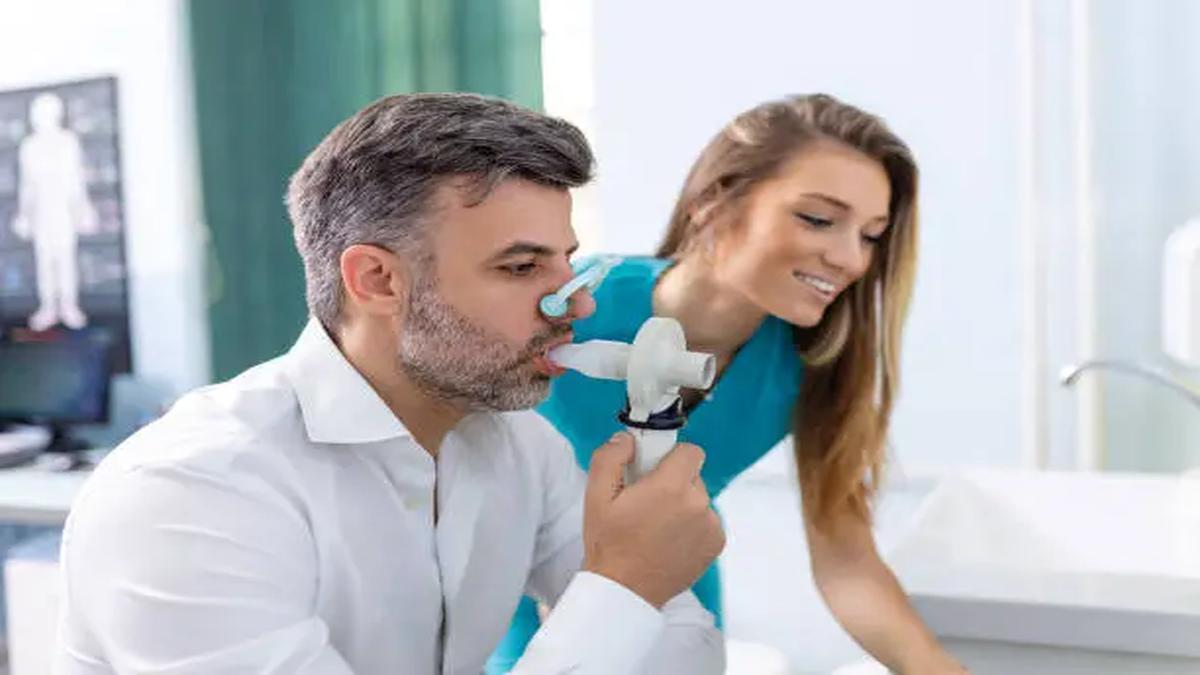
The breath test procedure is straightforward and patient-friendly. It usually begins with a baseline breath sample collected by exhaling into a bag or tube. After consuming a test substance, additional samples are collected at regular intervals.
The entire process may take between one and three hours, depending on the test type. During this time, patients are typically seated and monitored. Most people experience no discomfort, although some may notice mild bloating or gas due to fermentation during digestive breath tests.
Because the procedure is noninvasive, it is suitable for children, older adults, and individuals who cannot undergo more invasive diagnostic tests.
Benefits of Breath Testing
Breath tests offer several advantages over traditional diagnostic methods. They are painless, safe, and require no needles or radiation. Results are often available quickly, allowing for prompt diagnosis and treatment planning.
Another major benefit is repeatability. Breath tests can be performed multiple times without risk, making them ideal for tracking treatment progress. They also tend to be more cost-effective than imaging or invasive procedures.
For patients, the convenience and comfort of breath testing reduce anxiety and increase compliance with diagnostic recommendations.
Limitations and Challenges
Despite their many benefits, breath tests are not perfect. Results must be interpreted in context, as elevated gas levels alone do not always confirm a specific condition. Overlapping symptoms and individual differences in gut bacteria can complicate diagnosis.
Breath tests also require strict adherence to preparation protocols, which some patients may find challenging. In addition, not all medical facilities have access to advanced breath testing equipment or trained personnel.
Because of these limitations, breath tests are often used alongside other diagnostic tools rather than as standalone tests.
Comparison With Other Diagnostic Methods
Breath tests differ significantly from blood tests, imaging studies, and endoscopic procedures. Each method provides unique information, and the choice depends on the clinical question being addressed.
Diagnostic Method Comparison
| Method | Invasiveness | Information Provided | Typical Use |
|---|---|---|---|
| Breath test | Noninvasive | Gas and metabolic data | Digestive, alcohol, metabolic |
| Blood test | Minimally invasive | Biochemical markers | Systemic conditions |
| Imaging | Noninvasive | Structural information | Organ evaluation |
| Endoscopy | Invasive | Direct visualization | Internal examination |
Breath tests complement these methods by offering functional insights rather than structural images.
Role of Breath Tests in Preventive Healthcare
Breath testing is increasingly being explored as a preventive tool. Early detection of metabolic changes or bacterial imbalances may allow intervention before symptoms become severe. This aligns with a growing emphasis on preventive and personalized medicine.
As technology advances, breath tests may be used to monitor chronic conditions, assess dietary responses, and even screen for certain diseases at an early stage.
Technological Advances and Future Applications
Advances in sensor technology and data analysis are expanding the potential of breath testing. Researchers are developing devices capable of detecting a wide range of volatile organic compounds associated with disease states.
In the future, breath tests may be integrated into wearable or home-based monitoring systems, allowing individuals to track health metrics in real time. Artificial intelligence may further enhance interpretation by identifying complex patterns in breath data.
These innovations suggest that breath testing will play an increasingly important role in healthcare diagnostics and monitoring.
Ethical and Safety Considerations
Breath tests are generally safe, but ethical considerations arise in areas such as alcohol testing and workplace screening. Ensuring accuracy, proper calibration, and fair interpretation is essential to avoid false accusations or discrimination.
In medical settings, patient consent and clear communication about test purpose and limitations are crucial. When used responsibly, breath tests provide valuable information without compromising patient safety or dignity.
Final Thoughts on Breath Testing
Breath tests represent a powerful intersection of simplicity and scientific insight. By analyzing something as natural as exhaled air, clinicians can gain meaningful information about digestion, metabolism, and overall health. Their noninvasive nature, combined with growing technological sophistication, makes breath tests an increasingly valuable diagnostic tool.
When used appropriately and interpreted carefully, breath tests enhance patient care, improve diagnostic accuracy, and support a more comfortable healthcare experience. As research and innovation continue, breath testing is poised to become even more integral to modern medicine.
Click Here For More Blog Posts!
Frequently Asked Questions
What is a breath test used for?
A breath test is used to diagnose digestive disorders, detect infections, estimate alcohol levels, and assess metabolic processes.
Are breath tests accurate?
When performed correctly with proper preparation, breath tests are generally accurate and clinically reliable.
Do breath tests hurt?
Breath tests are painless and noninvasive, involving only breathing into a collection device.
How long does a breath test take?
Most breath tests take between one and three hours, depending on the type and protocol.
Can breath tests replace other medical tests?
Breath tests complement other diagnostic methods but are usually used alongside blood tests or imaging for confirmation.