
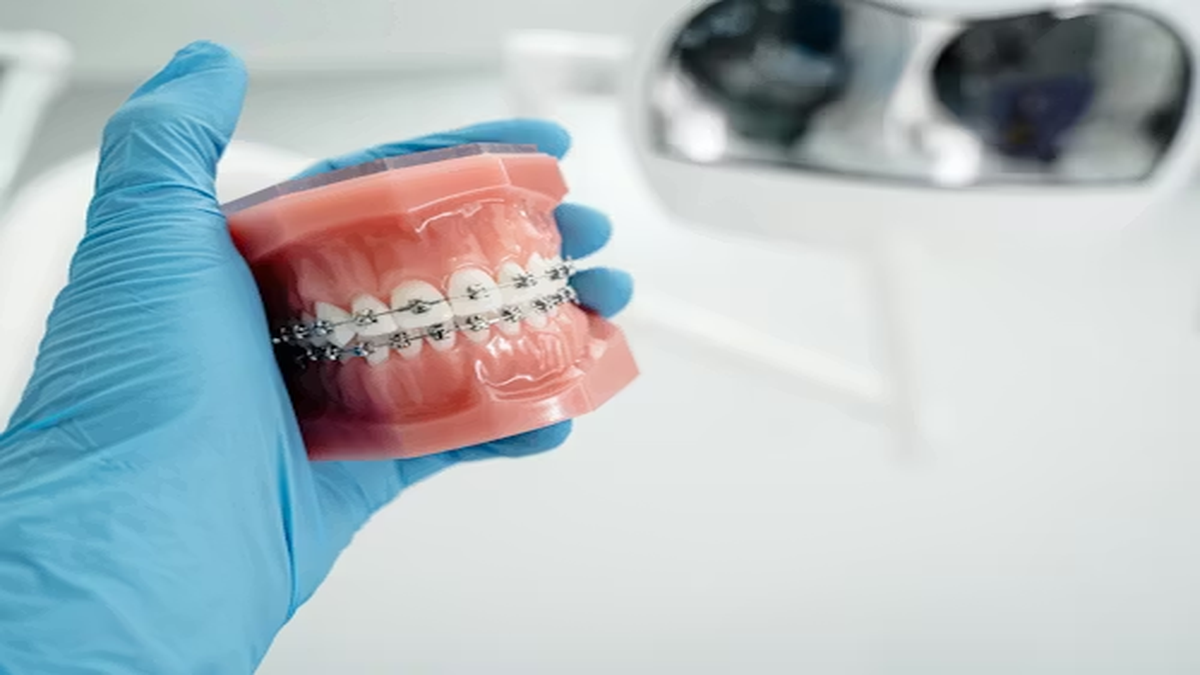
A cantilever bridge dental restoration is a specialized solution used in modern dentistry to replace missing teeth when traditional bridge support options are limited. Unlike conventional bridges that rely on support from teeth on both sides of a gap, a cantilever bridge is anchored on only one side. This unique design allows dentists to restore function and appearance in situations where adjacent teeth are unavailable or unsuitable for full support.
Cantilever dental bridges are not a universal solution for all missing teeth cases, but when used appropriately, they offer an effective, conservative, and aesthetically pleasing option. Understanding how they work, when they are recommended, and what risks they carry is essential for patients considering this type of restoration. This article provides a detailed and practical explanation of cantilever bridge dental treatment, focusing on design principles, clinical applications, materials, advantages, limitations, long-term care, and patient suitability.
Understanding the Concept of a Cantilever Dental Bridge
A cantilever dental bridge is a fixed prosthetic device designed to replace one or more missing teeth by anchoring to a single adjacent natural tooth or dental crown. The replacement tooth, known as the pontic, extends outward from the supporting tooth, similar to how a cantilever structure projects beyond its base in architecture.
This design contrasts with traditional dental bridges, which rely on two abutment teeth on either side of the missing tooth. The cantilever approach becomes valuable when only one healthy adjacent tooth is available or when preserving tooth structure is a priority.
Because the entire biting force is transferred to a single supporting tooth, careful planning and case selection are critical. Dentists evaluate bite alignment, bone support, tooth strength, and functional demands before recommending a cantilever bridge.
When a Cantilever Bridge Is Recommended
Cantilever dental bridges are typically recommended in specific clinical scenarios rather than as a routine replacement for missing teeth. Dentists consider them when traditional options are not ideal or when minimal intervention is preferred.
One common situation involves missing teeth at the front of the mouth, where biting forces are lighter compared to molars. In these cases, a cantilever bridge can restore aesthetics without placing excessive stress on the supporting tooth. Another scenario occurs when only one adjacent tooth is healthy enough to support a bridge, and placing a dental implant is not feasible due to bone limitations, medical conditions, or patient preference.
Dentists may also suggest cantilever bridges when preserving natural tooth structure is important, as this design often requires less preparation than conventional bridges.
Structural Design and Functional Mechanics
The design of a cantilever dental bridge must account for leverage forces created by chewing. Since the pontic is supported on only one side, it behaves like a lever, magnifying stress on the abutment tooth. To counteract this, dentists carefully control the size, shape, and placement of the pontic.
Occlusal adjustments are often made to reduce biting pressure on the cantilevered tooth, particularly during lateral movements. The goal is to distribute forces evenly and prevent excessive torque that could damage the supporting tooth or surrounding bone.
Key Structural Components
| Component | Function |
|---|---|
| Abutment tooth | Provides primary support |
| Pontic | Replaces the missing tooth |
| Crown | Covers and strengthens the abutment |
| Connector | Joins the pontic to the crown |
Each component must work harmoniously to ensure durability, comfort, and long-term success.
Materials Used in Cantilever Bridge Dentistry
Material selection plays a crucial role in the performance and longevity of a cantilever bridge. Dentists choose materials based on location, bite force, aesthetic requirements, and patient preferences.
Porcelain-fused-to-metal bridges offer strength and reliability, making them suitable for areas that experience moderate force. All-ceramic or zirconia bridges provide superior aesthetics and are often chosen for front teeth where appearance is critical. In some cases, resin-bonded cantilever bridges are used as a conservative option, particularly for younger patients or temporary restorations.
Common Materials Comparison
| Material | Strength | Aesthetics | Typical Use |
|---|---|---|---|
| Porcelain-fused-to-metal | High | Moderate | General use |
| Zirconia | Very high | High | Front and premolar areas |
| All-ceramic | Moderate | Excellent | Aesthetic zones |
| Resin-bonded | Low to moderate | Good | Temporary or minimal-force cases |
Advantages of Cantilever Dental Bridges
Cantilever bridges offer several advantages when used appropriately. One of the most significant benefits is the reduced need for extensive tooth preparation. Since only one abutment tooth is involved, fewer natural teeth are altered compared to traditional bridges.
Another advantage is treatment simplicity. Cantilever bridges often require fewer appointments and less invasive procedures than implants. They also provide immediate restoration of appearance and function, which can be important for patients concerned about aesthetics.
Cost is another consideration. Cantilever bridges are generally more affordable than dental implants, making them an accessible option for some patients.
Limitations and Potential Risks
Despite their benefits, cantilever dental bridges come with notable limitations. The primary concern is the increased stress placed on the supporting tooth. Over time, this stress can lead to tooth mobility, fracture, or bone loss if not properly managed.
Cantilever bridges are generally not recommended for replacing molars or teeth that endure heavy chewing forces. They are also unsuitable for patients with severe bite issues, teeth grinding habits, or compromised periodontal health.
Careful patient selection and precise dental technique are essential to minimizing these risks.
Comparison With Other Tooth Replacement Options
Understanding how cantilever bridges compare with alternative treatments helps patients make informed decisions.
Treatment Comparison Table
| Option | Support Method | Longevity | Invasiveness | Cost |
|---|---|---|---|---|
| Cantilever bridge | One tooth | Moderate | Low | Moderate |
| Traditional bridge | Two teeth | High | Moderate | Moderate |
| Dental implant | Jawbone | Very high | High | High |
| Removable partial denture | Gums and teeth | Low | Low | Low |
Each option has distinct advantages and drawbacks, and the best choice depends on clinical conditions and patient goals.
Clinical Procedure Step by Step
The cantilever bridge procedure typically begins with a comprehensive dental examination, including X-rays and bite analysis. The dentist prepares the abutment tooth by reshaping it to accommodate a crown. Impressions are then taken to fabricate the bridge.
While the permanent bridge is being made, a temporary restoration may be placed. Once the final bridge is ready, it is carefully fitted, adjusted, and cemented. Occlusion is checked to ensure minimal stress on the cantilevered pontic.
The entire process usually takes two to three visits.
Long-Term Maintenance and Oral Care
Maintaining a cantilever bridge requires diligent oral hygiene and regular dental visits. Patients should brush and floss carefully around the bridge to prevent plaque buildup and gum inflammation. Special flossing tools or interdental brushes may be recommended to clean beneath the pontic.
Routine dental checkups allow the dentist to monitor the condition of the supporting tooth and surrounding tissues. Early detection of wear or stress-related issues can significantly extend the life of the bridge.
Expected Lifespan and Durability
The lifespan of a cantilever dental bridge varies depending on materials, bite forces, and oral hygiene practices. On average, a well-maintained cantilever bridge can last between 5 and 10 years, though some may last longer under ideal conditions.
Durability improves when bridges are placed in low-stress areas and supported by strong, healthy teeth. Patient compliance with care instructions also plays a major role in longevity.
Aesthetic Considerations
From an aesthetic standpoint, cantilever bridges can deliver highly natural-looking results. Modern materials allow dentists to match tooth color, translucency, and shape with remarkable accuracy. This makes cantilever bridges particularly appealing for front-tooth replacements where visual appearance is a top priority.
Proper design ensures that the bridge blends seamlessly with surrounding teeth, enhancing smile confidence without drawing attention to the restoration.
Psychological and Functional Impact
Replacing a missing tooth can significantly improve a patient’s quality of life. Cantilever bridges restore not only chewing ability but also speech clarity and facial balance. Many patients report increased confidence and comfort after treatment.
The psychological benefit of avoiding removable appliances or visible gaps should not be underestimated, especially in social and professional settings.
Final Thoughts on Cantilever Bridge Dental Treatment
Cantilever bridge dental restorations represent a carefully balanced approach to tooth replacement. They offer an effective solution in situations where traditional bridges or implants are not ideal, provided they are used thoughtfully and strategically.
Success depends on precise planning, appropriate material selection, and ongoing maintenance. When these factors align, a cantilever bridge can deliver functional, aesthetic, and emotional benefits that significantly enhance oral health and overall well-being.
Click Here For More Blog Posts!
Frequently Asked Questions
What is a cantilever dental bridge?
A cantilever dental bridge is a fixed restoration that replaces missing teeth using support from only one adjacent tooth.
Is a cantilever bridge safe?
It can be safe and effective when placed in low-stress areas and supported by a strong, healthy tooth.
How long does a cantilever bridge last?
With proper care, a cantilever bridge can last between five and ten years or longer in ideal conditions.
Can cantilever bridges replace molars?
They are generally not recommended for molars due to higher chewing forces and increased risk of failure.
How do I care for a cantilever bridge?
Good oral hygiene, regular dental visits, and careful cleaning around the bridge help maintain its longevity.